

How can a 380 V, 150 A heating circuit combine power control and door-mounted display?
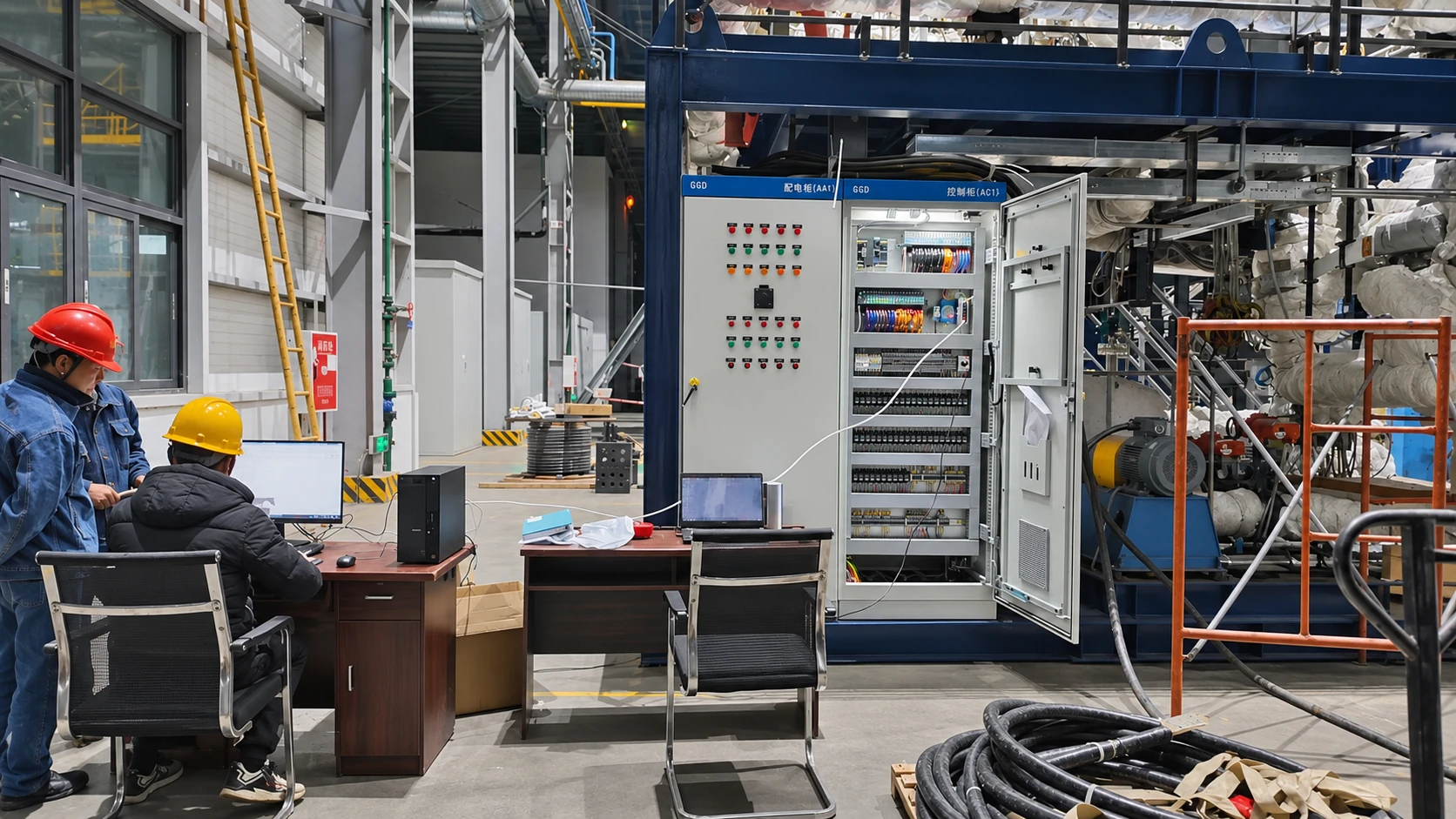
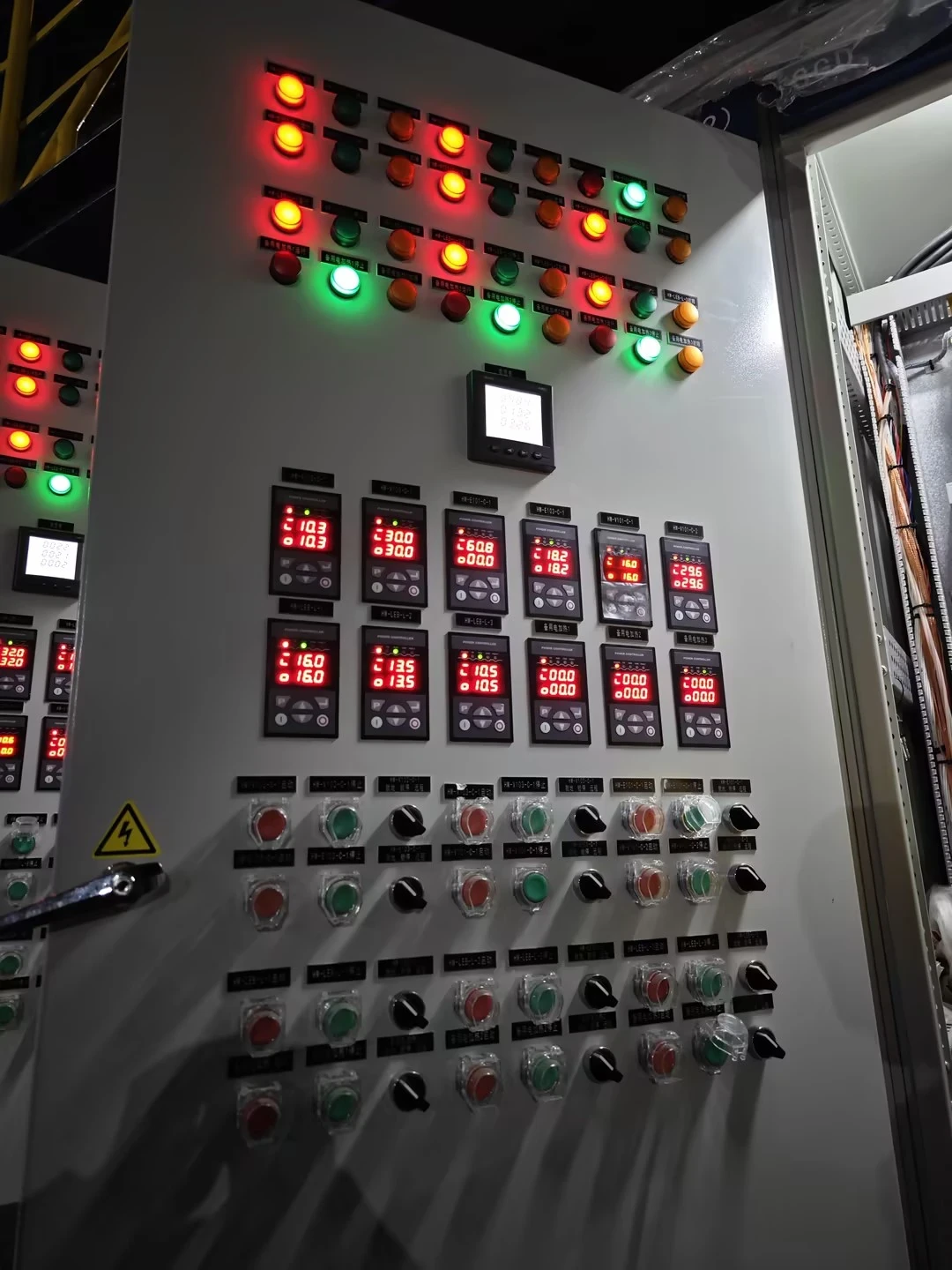
The electrical control system for this lead-bismuth test facility uses an ST200-150 single-phase SCR power controller for a 380 V heating circuit with a 150 A current rating. Its operating panel is mounted remotely on the cabinet door, combining operation and parameter settings with current, voltage and power display at one accessible location.
What configuration does this heating circuit use?
| Item | Project configuration | Item | Project configuration |
|---|---|---|---|
| System | Lead-bismuth test facility electrical control system | Controlled load | Electric heating circuit |
| Model | ST200-150 | Controller type | Single-phase SCR power controller |
| Heating voltage | 380 V | Current rating | 150 A |
| Panel mounting | Remote mounting on the cabinet door | Panel functions | Operation, parameter settings, and current, voltage and power display |
These are the configuration details supplied for this application. The 150 A rating does not mean that the circuit operates at 150 A under every condition. Actual output varies with heating demand and the control setpoint.
What does the power controller do in the heating system?
An electric heating system adjusts heat input to suit the process. An SCR power controller regulates the electrical power delivered to the heating load by controlling thyristor conduction. The temperature-control stage generates a demand from the temperature setpoint and feedback; the power controller carries out the corresponding electrical output adjustment.
Temperature control and electrical power control have separate roles. Displaying current, voltage and power does not establish that temperature measurement or temperature control is included in this particular configuration. Temperature feedback, setpoint signals, firing mode and closed-loop mode must follow the electrical design and the specified product configuration.
Why mount the operating panel on the cabinet door?
The power unit remains inside the cabinet while the operating panel is placed on the door. Personnel can view circuit parameters and perform permitted operations from outside the cabinet. Aligning panel positions with circuit labels, indicators and buttons helps identify the corresponding heating zones.
The official ST200 product literature states that the operating panel can be mounted remotely on the cabinet door and used to display current, voltage and power. Where these local operating displays meet the requirements, the arrangement can reduce duplicate standalone meters, together with the associated door cutouts and meter wiring.
Viewing the different quantities generally requires selecting the corresponding parameter windows. The arrangement does not imply that current, voltage and power are always shown simultaneously. Independent metering, remote data acquisition or specific measurement accuracy requirements may still require additional instruments.
How should current, voltage and power be read together?
Current helps indicate the loading of the heating circuit; voltage helps assess output status; and power indicates the rate of electrical energy input. Comparing these values with the control setpoint, temperature changes and alarms helps determine whether the circuit is responding as expected.
First confirm the parameter, unit and measurement point represented by each display window. With non-sinusoidal output, such as phase-angle control, multiplying the displayed voltage by the displayed current does not automatically give active power. The stated 380 V and 150 A configuration is not used here to infer measured operating power or energy savings.
What should be confirmed before implementation?
- Circuit and sizing: Verify the single-phase 380 V connection, heating load type, cold and hot current, and cabinet cooling conditions. Confirm the current rating and protection coordination against actual duty.
- Remote panel: Specify door mounting when ordering. Check the connection cable, permitted length, door cutout and mounting method against the documentation for the supplied version.
- Display and identification: Confirm current, voltage and power windows and units. Label each panel to match its heating circuit.
- Control and interlocks: Implement setpoint inputs, temperature feedback, alarms and shutdown interlocks according to the design. The panel provides operation and display; the corresponding electrical circuits provide the required safety functions.
This application combines single-phase heating power control by the ST200-150 with a remotely mounted operating panel. Bringing operation and electrical parameter viewing to the cabinet door provides a reference arrangement for systems that require heating-zone identification and centralized local operation.
FAQ
Can a single-phase power controller be used for a 380 V heating circuit?
A single-phase power controller can be selected for a single-phase 380 V circuit. Single-phase describes the circuit arrangement and does not restrict it to 220 V. This lead-bismuth test facility uses a 380 V, 150 A heating configuration. Verify the supplied unit's voltage rating, wiring diagram and load requirements. A three-phase incoming supply does not mean that each individual heating branch is a three-phase load.
Which electrical parameters can the remotely mounted ST200 panel display?
The official ST200 literature states that the panel can be mounted remotely on the cabinet door and used for current, voltage and power display, as well as operation and parameter settings. Select the relevant parameter windows as required; simultaneous display of all three quantities should not be assumed. During commissioning, verify window definitions, units and measurement points, and identify the heating circuit associated with each panel.
Are separate ammeters and voltmeters still needed?
That depends on the system requirements. If the panel meets the local display, accuracy and operating needs, it can reduce duplicate ammeters, voltmeters or power meters serving the same purpose. Independent metering, specified measurement accuracy or separate data acquisition may still require dedicated instruments. The panel display does not replace temperature measurement, safety interlocks or the necessary electrical protection.
Does remote panel mounting need to be specified when ordering?
Yes. The ST200 product literature requires remote panel mounting to be specified separately when ordering. Before installation, check the connection method, cable specification, permitted length, door cutout and mounting requirements for the relevant version. After installation, verify display operation, access permissions and circuit labels. Cable length, connector specifications and terminal definitions cannot be established from a site photograph alone.